How to hand over a finished video project so another editor can revise it
Hand over an editable video project with its media, dependencies and rights notes, then test a real revision on the recipient's system before removing originals.
Clear explanations and practical guidance from Twokq Tech.

Hand over an editable video project with its media, dependencies and rights notes, then test a real revision on the recipient's system before removing originals.

Choose explainer visuals by whether they document or illustrate a claim, compare stock and generated footage costs, and check rights before using either.

Reduce a video's file size by testing difficult text frames, comparing quality settings and checking destination playback before committing to a full export.

Check vertical video crops against the action viewers must see, calculate how much width is lost, and choose reframing or a full-frame layout when cropping fails.

Check synthetic narration for changed words, numbers, names and emphasis, then verify the final audio against the approved script before using it in a video.

Turn a script into a practical shot list covering essential actions, sound and setup needs, with a filming budget that separates necessary shots from extras.

Check a video clip against its original question, qualifications and corrections, then decide whether to extend, label or reject an edit that changes the meaning.

Diagnose fixed offsets, gradual timing drift and edit-related jumps in a transcript, then choose a reversible correction checked against several audio anchors.

Create a focused webinar briefing with timed evidence, relevant caveats and clear next steps, while separating the speaker's claims from your interpretation.

Choose between transcripts and summaries by future evidence needs, permissions and review effort, with a storage example that shows where the real costs sit.

Correct interview speaker labels against the recording, separate identity from turn boundaries, and preserve uncertainty when voices overlap or remain unclear.

Save tested video links with timestamps, source details and readable fallback anchors, so you can recover the right passage even when a link behaves differently.

Capture decisions, owners, deadlines and unresolved questions during a fast meeting, then confirm the gaps without creating or reviewing a full transcript.

Separate publication, update, archive and access dates, inspect the evidence behind each, and cite an undated page without inventing when it appeared.

Revise with closed-note questions, targeted corrections and later checks, so your study time follows what you cannot yet explain rather than page count.

Trace repeated claims back to their original evidence, distinguish independent findings from copied reporting, and record what you can actually verify.

Turn PDF highlights into answerable study questions, keep accurate page references, and test which ideas need more work without copying the whole document.

Compare voice and typed notes by the effort needed to explain, check and revisit a difficult idea, with a practical trial that includes accessibility needs.

Combine research notes by comparing claims, definitions and evidence, while keeping genuine disagreements visible and deciding what they mean for your task.

Record research exclusions with clear reasons, supporting evidence and reconsideration conditions, so you avoid repeat work without hiding uncertainty.

Compare a quiet interview’s original and processed audio, check whether words survive, and decide when light noise reduction or a new recording is safer.

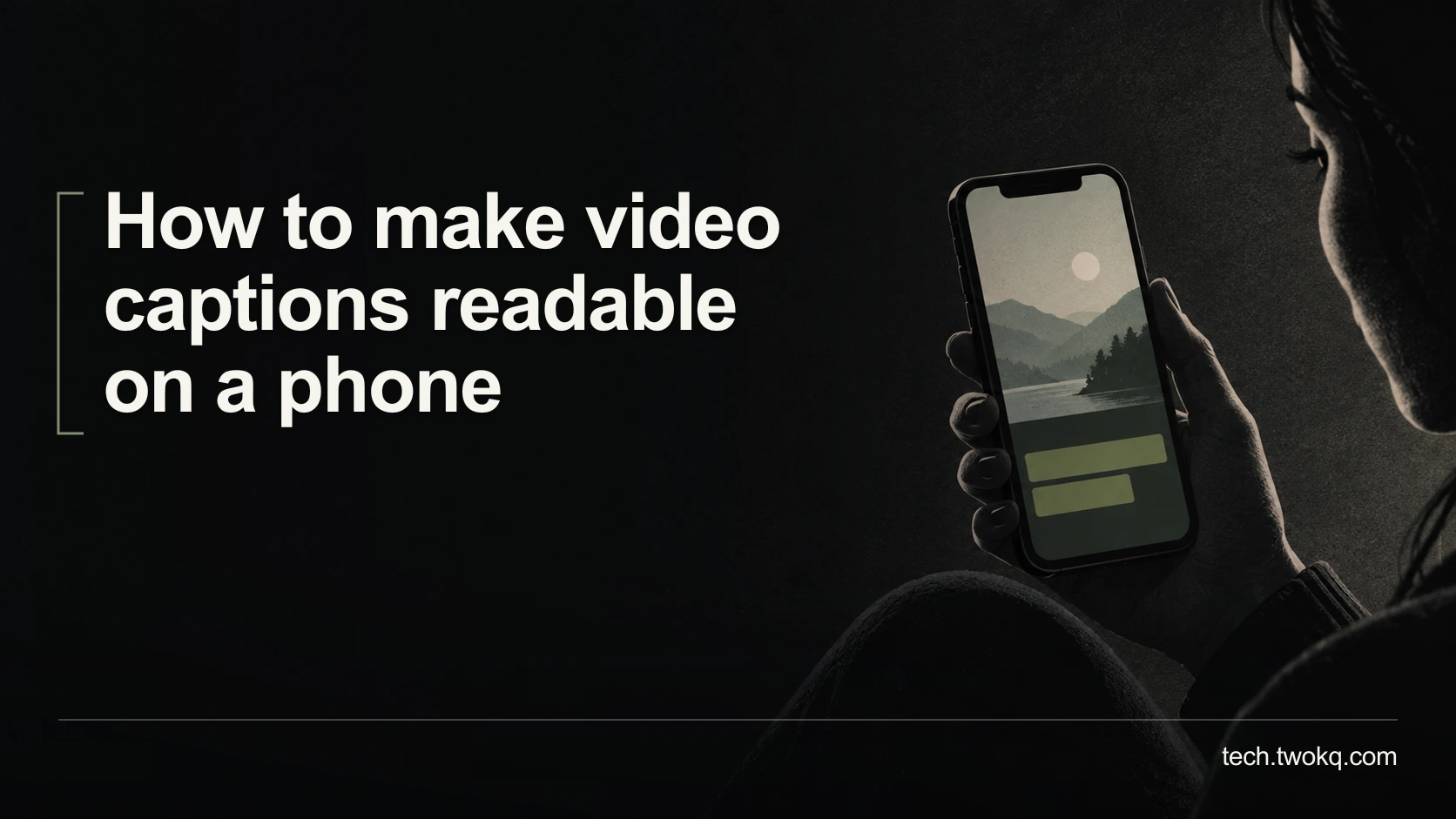
Check caption wording, timing, size and placement on a real phone, then fix the parts that make your video difficult to follow without relying on sound.

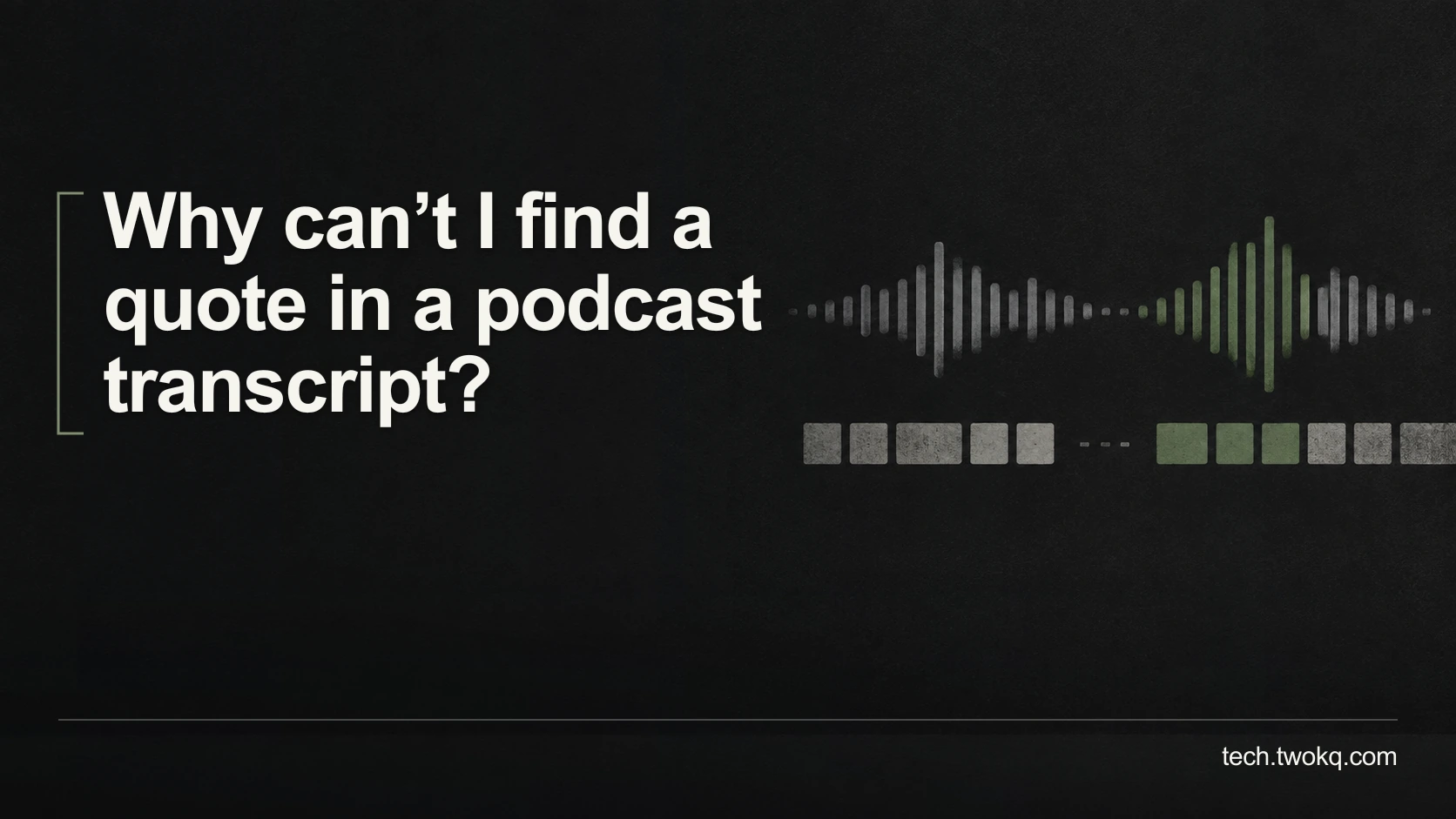
Find a missing podcast quotation by checking the episode version, searching nearby ideas and verifying the recording before saving or citing the words.

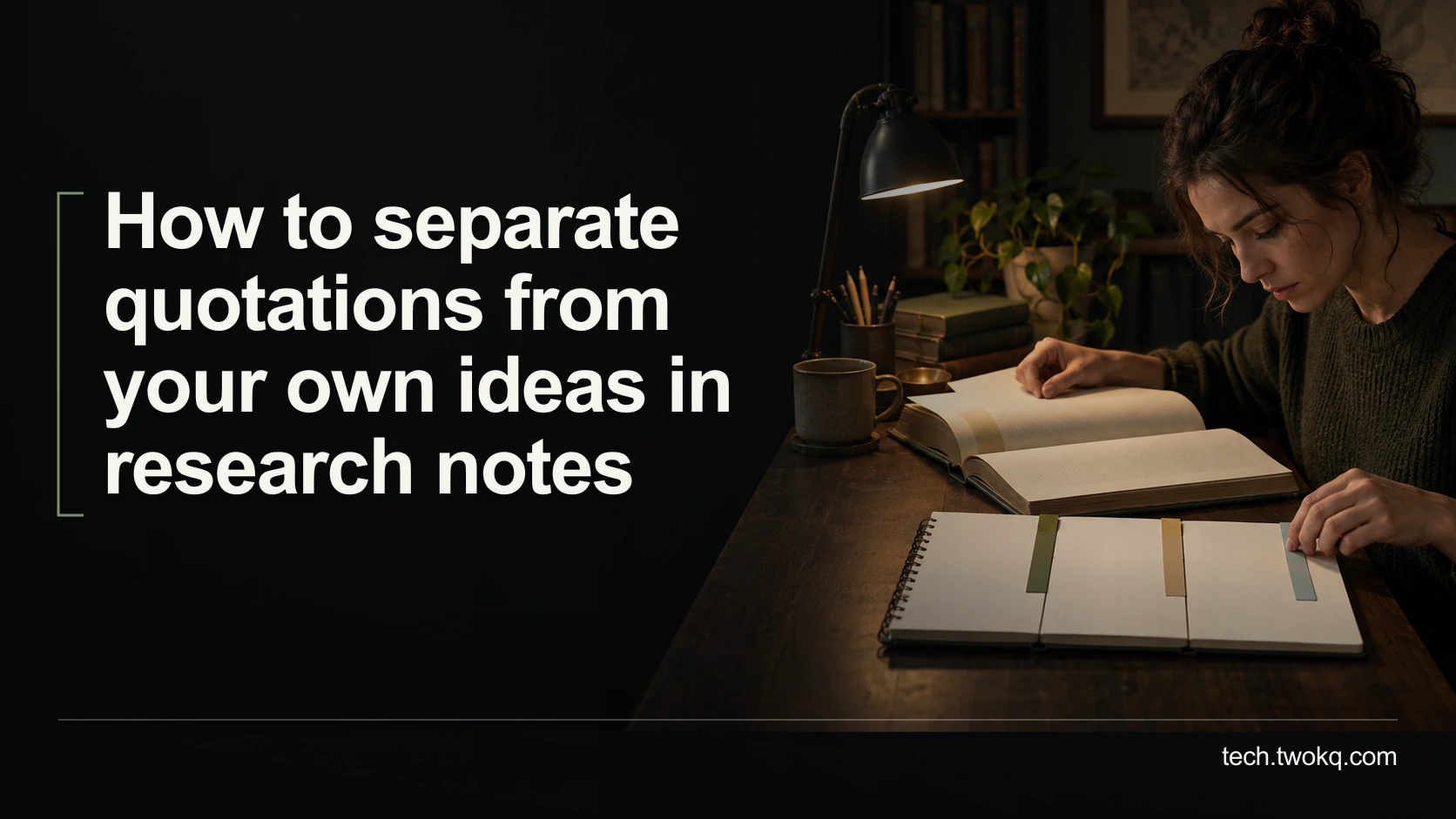
Build research notes that distinguish exact quotations, paraphrases and your interpretation, preserve source locations, and repair ambiguous older notes.

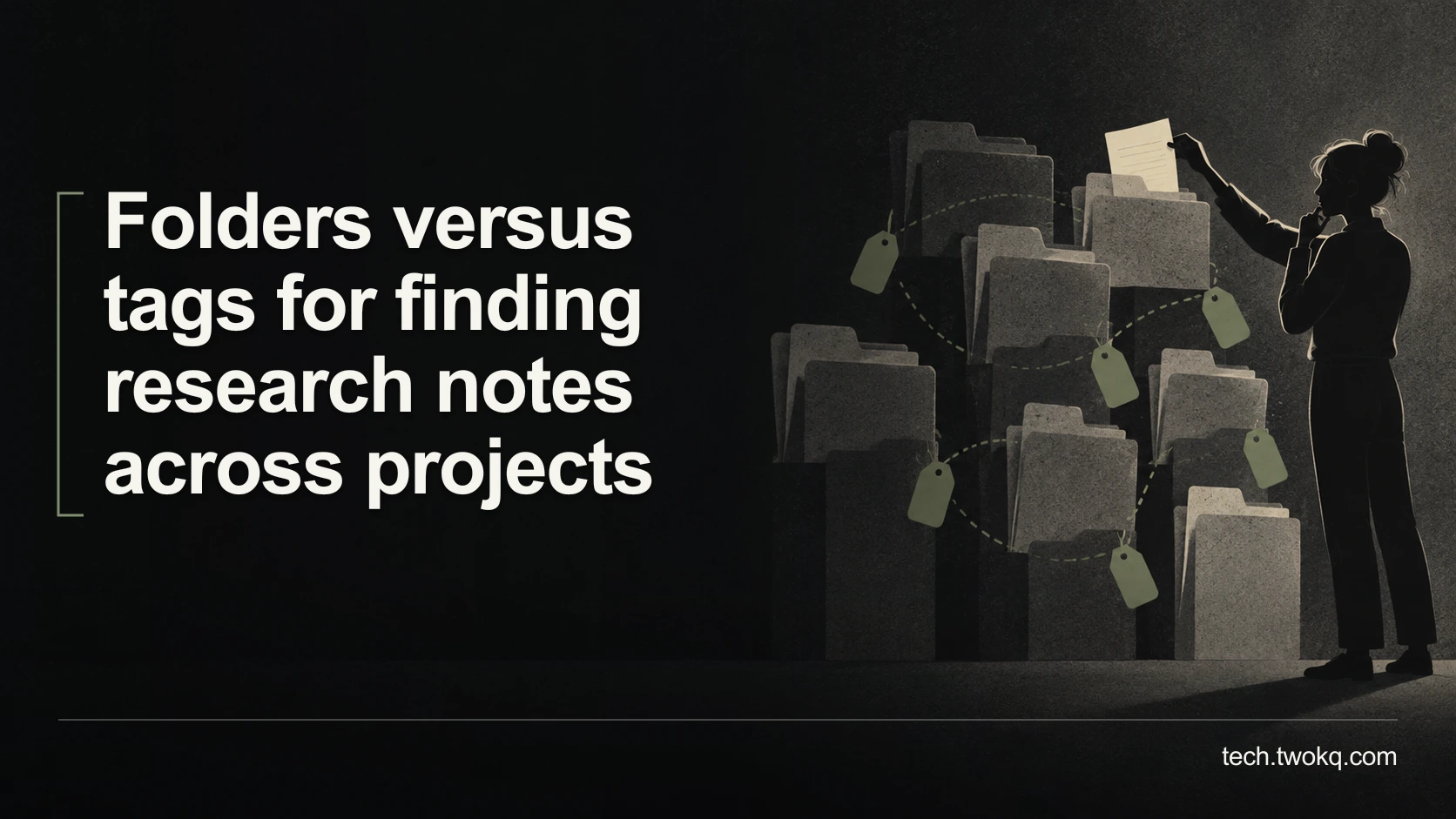
Compare folders and tags with a timed retrieval exercise, measure the upkeep each adds, and choose a simple structure for research notes across projects.