
Why does an AI tool behave differently after a live demo ends?
Find the account, model, context, integration and input differences that can make an AI tool behave differently after a live demonstration in practice.
11 October 2026Read article
Twokq Tech keeps you aligned with the tools, ideas, and decisions that help people get more from technology and artificial intelligence.
Read the latestTwokq Tech is an independent technology blog based in Shoreditch, London. We explain how to use technology and AI with more confidence, care, and practical judgment.
Our editors turn fast-moving technical change into useful guidance for real work and everyday life.
About Twokq TechClear explanations, practical workflows, and grounded guidance for getting more from technology and AI.
24 articles
Find the account, model, context, integration and input differences that can make an AI tool behave differently after a live demonstration in practice.
Ask AI vendors a bounded question that reveals task fit, evidence, account limits and failure behaviour during a short product demonstration.
Turn a successful AI workshop exercise into a tested team procedure with approved inputs, human checks, failure handling and a clear owner today.

Turn a memorable claim from a London AI meetup into a precise proposition, check its primary source and run a bounded test before recommending it at work.
Recreate a London AI demonstration with recorded conditions, safe representative inputs and a pass rule that shows whether the result transfers to your real task.
Record the tool, tier, input, output and stated limits from a London AI demo while keeping attendees, private screens and unauthorised material out of your notes.
Choose a London AI workshop you can complete with synthetic material, clear account rules and no need to upload client, employer or participant information.

Separate present AI capability, customer evidence, commercial claims and future plans when assessing a startup pitch at a London demo night.
Choose a London AI policy panel or product workshop by matching the session format to the governance question or practical task you need to resolve.
Check the London journey, venue, communication, materials and AI exercise together so an event is genuinely usable with your access requirements.
Compare two AI tools shown at one London event by recording equivalent tasks, access levels, controls, review effort, costs and failure cases.
Judge a polished London AI demonstration by adding ordinary, difficult and out-of-scope cases before treating the result as product evidence.
Calculate the full cost of a London AI event and require decision-changing evidence, not vague networking value, before committing to the ticket.

Trace an AI claim from a London university lecture to its study, method, limitations and publication status before applying it to a product decision.

Assess a London AI hackathon's roles, technical setup, team formation, rights, access and time demands before deciding whether you can contribute.
Use a vendor-sponsored London AI event for product evidence without confusing hospitality, selected examples or stage polish with a fair comparison.
Screen a London AI demonstration for task fit, test conditions, audience access and failure evidence before committing money and travel time.
Choose between a London AI conference and workshop by matching the format, complete cost, access and follow-up evidence to your actual goal.
Check a London AI meetup's prerequisites, exercises, support, access and travel commitment before deciding whether it truly suits a beginner.

Compare a paid London AI workshop with free talks using its complete cost, practical outcome, feedback, accessibility and follow-up value today.
Hand over an editable video project with its media, dependencies and rights notes, then test a real revision on the recipient's system before removing originals.
Choose explainer visuals by whether they document or illustrate a claim, compare stock and generated footage costs, and check rights before using either.

Reduce a video's file size by testing difficult text frames, comparing quality settings and checking destination playback before committing to a full export.
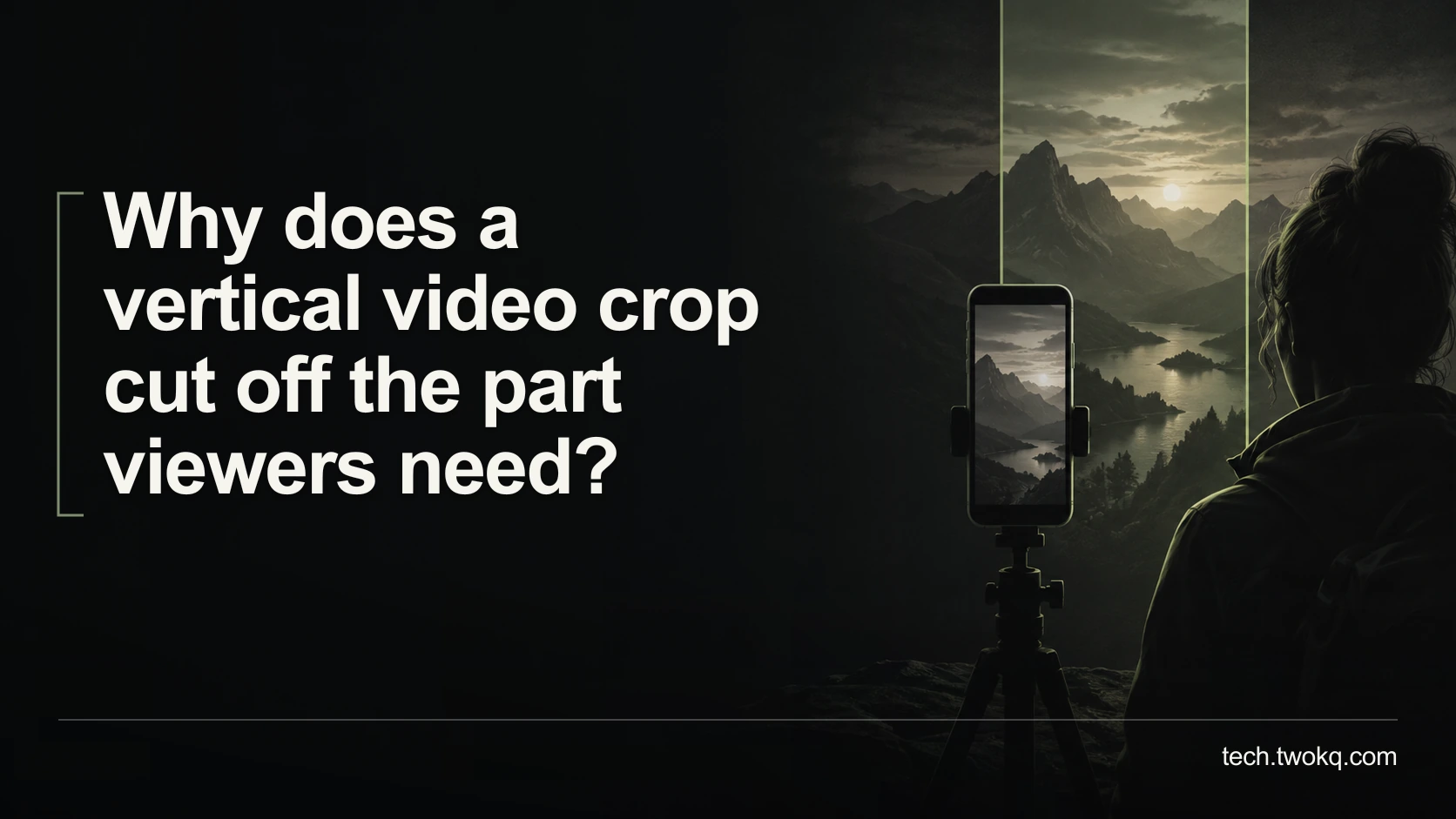
Check vertical video crops against the action viewers must see, calculate how much width is lost, and choose reframing or a full-frame layout when cropping fails.